
Fueling Fall
Top Flowers for Late-Season Nectar and Seeds in the West GTA
As summer fades and the crisp autumn air rolls off Lake Ontario, our west GTA backyard gardens become critical rest stops. Migrating birds, overwintering queen bumblebees, and late-season butterflies are on an urgent hunt for fuel before the ground freezes.
In the western Greater Toronto Area—stretching across the updated Canadian Plant Hardiness Zones 6b to 7a (including Mississauga, Oakville, Burlington, and Milton)—our local wildlife relies heavily on the final burst of energy provided by late-blooming native perennials. By letting these plants go to seed, you provide a literal winter lifeline.
Here are the top power plants your garden needs to support birds and pollinators right through our first frost.
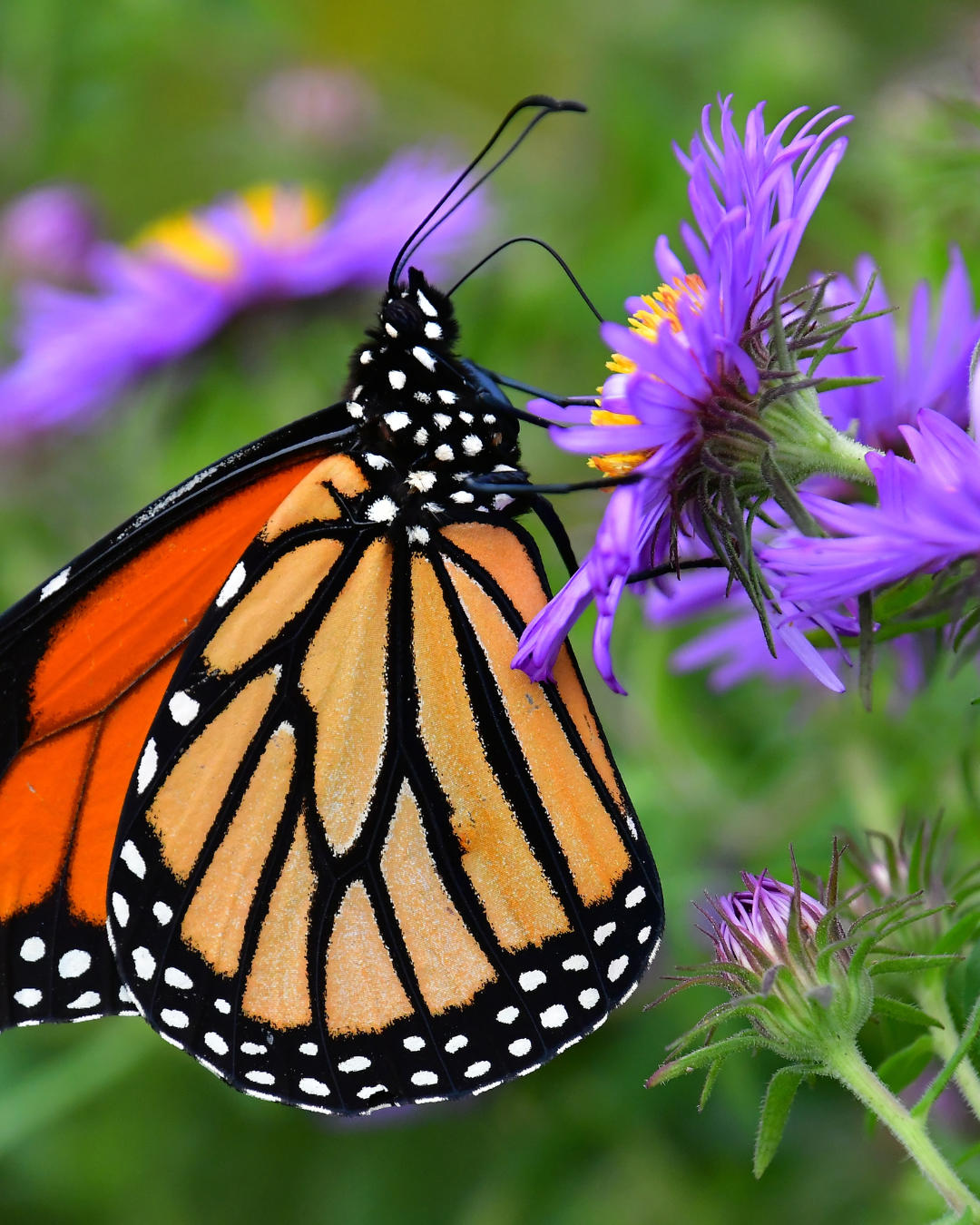
1. New England Aster (Symphyotrichum novae-angliae)
Best For: Overwintering native bees and migrating Monarch butterflies.
GTA Hardiness: Zone 4–8 (Excellently adapted to all of Southern Ontario).
The Benefit: Asters are the undisputed queens of the autumn garden. When other flowers wilt, this Ontario native bursts into vibrant shades of purple and pink. They provide a crucial, high-density source of nectar right when migrating Monarchs need to fuel up for their long journey south from the GTA.
Local Tip: They handle the heavy clay soils common in our area remarkably well.
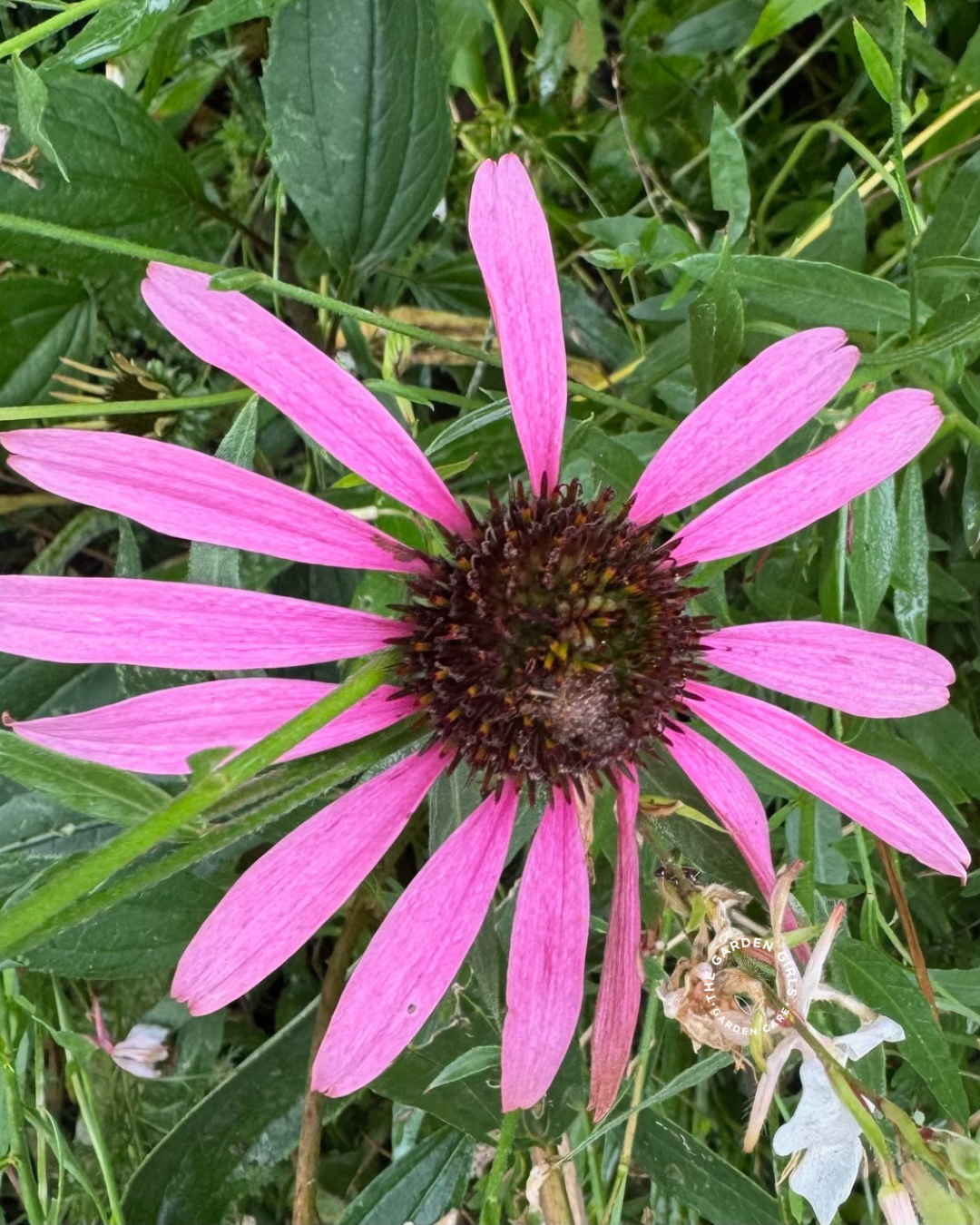
2. Purple Coneflower (Echinacea purpurea)
Best For: Bumblebees and seed-eating birds like American Goldfinches.
GTA Hardiness: Zone 3–9.
The Benefit: Purple Coneflowers pull double duty in the late-season garden. In late summer, their wide, flat centers act as perfect landing pads for heavy pollinators. But the real magic happens in late autumn: as the petals drop, they leave behind stiff, spikey cone-like seed heads packed with nutritious oils that our local birds rely on all winter long.
Local Tip: Do not deadhead all your coneflowers in October! Leave some of the dried stalks standing through the winter to act as natural, free bird feeders.
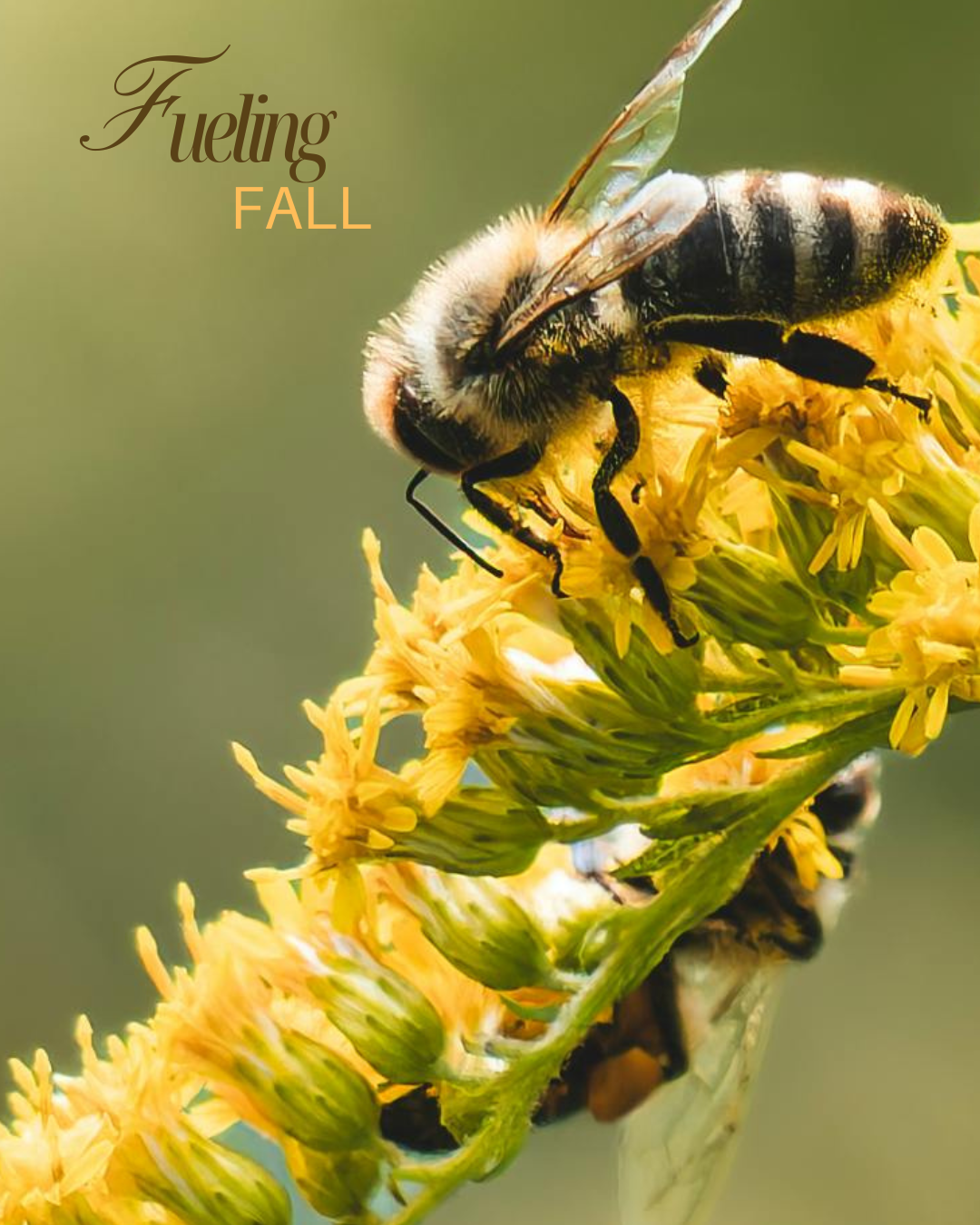
3. Goldenrod (Solidago)
Best For: Honeybees, native sweat bees, and migrating butterflies.
GTA Hardiness: Zone 3–9.
The Benefit: Goldenrod produces magnificent, plume-like yellow blossoms that light up Ontario roadsides and gardens alike. It is one of the most pollen- and nectar-dense plants available in autumn, making it an essential pitstop for bees building up winter hives.
Myth Buster: Despite popular belief, goldenrod does not cause autumn allergies! Its pollen is too heavy to be airborne; the real culprit is usually inconspicuous ragweed blooming at the same time.
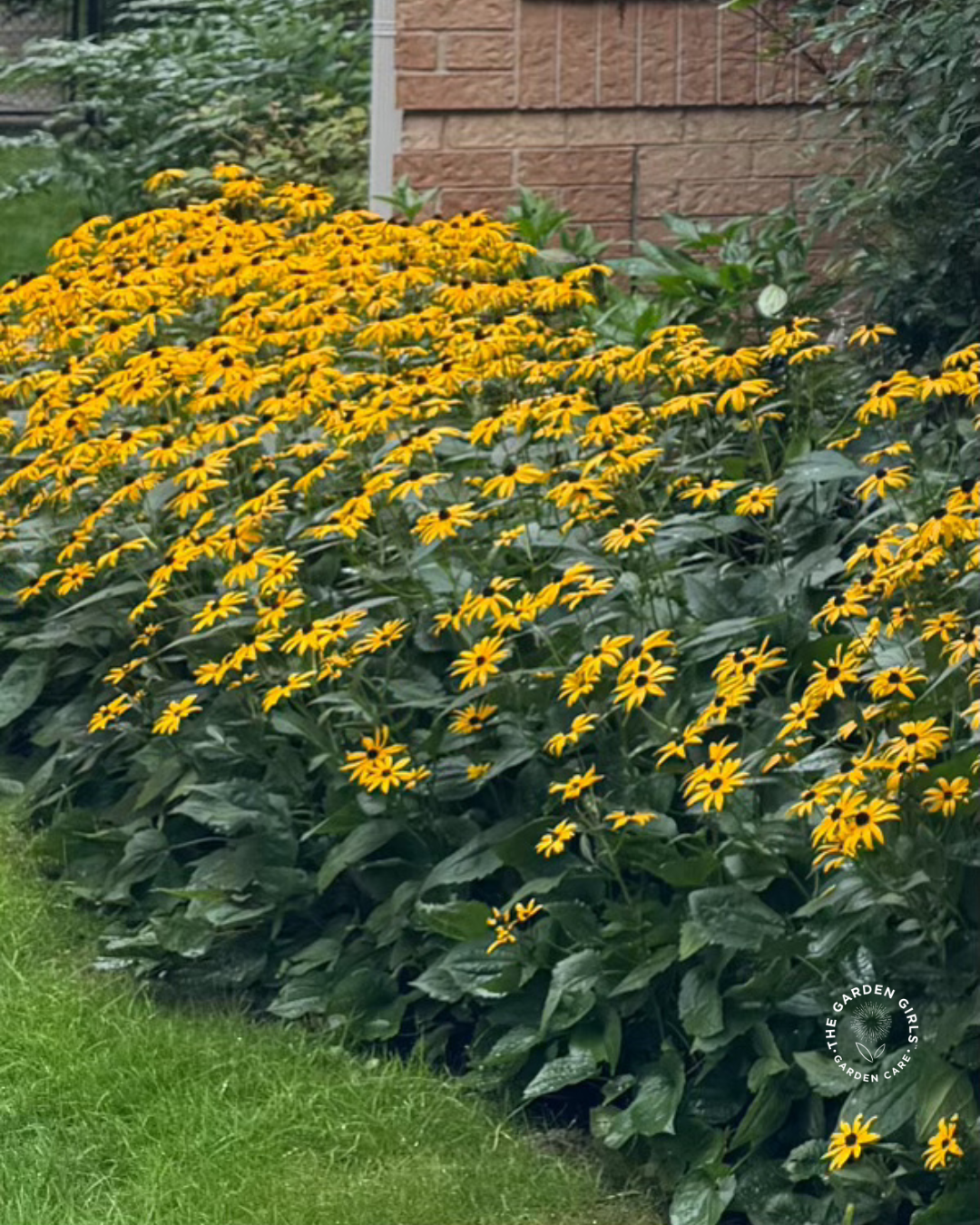
4. Black-Eyed Susan (Rudbeckia hirta)
Best For: Native bees, butterflies, finches, and chickadees.
GTA Hardiness: Zone 3–9.
The Benefit: Like coneflowers, Black-Eyed Susans bloom well into October in the GTA, providing dependable nectar. Once the yellow petals fade, the dark central discs dry out into seed-dense heads that keep local and migrating birds sustained during our initial frosts.
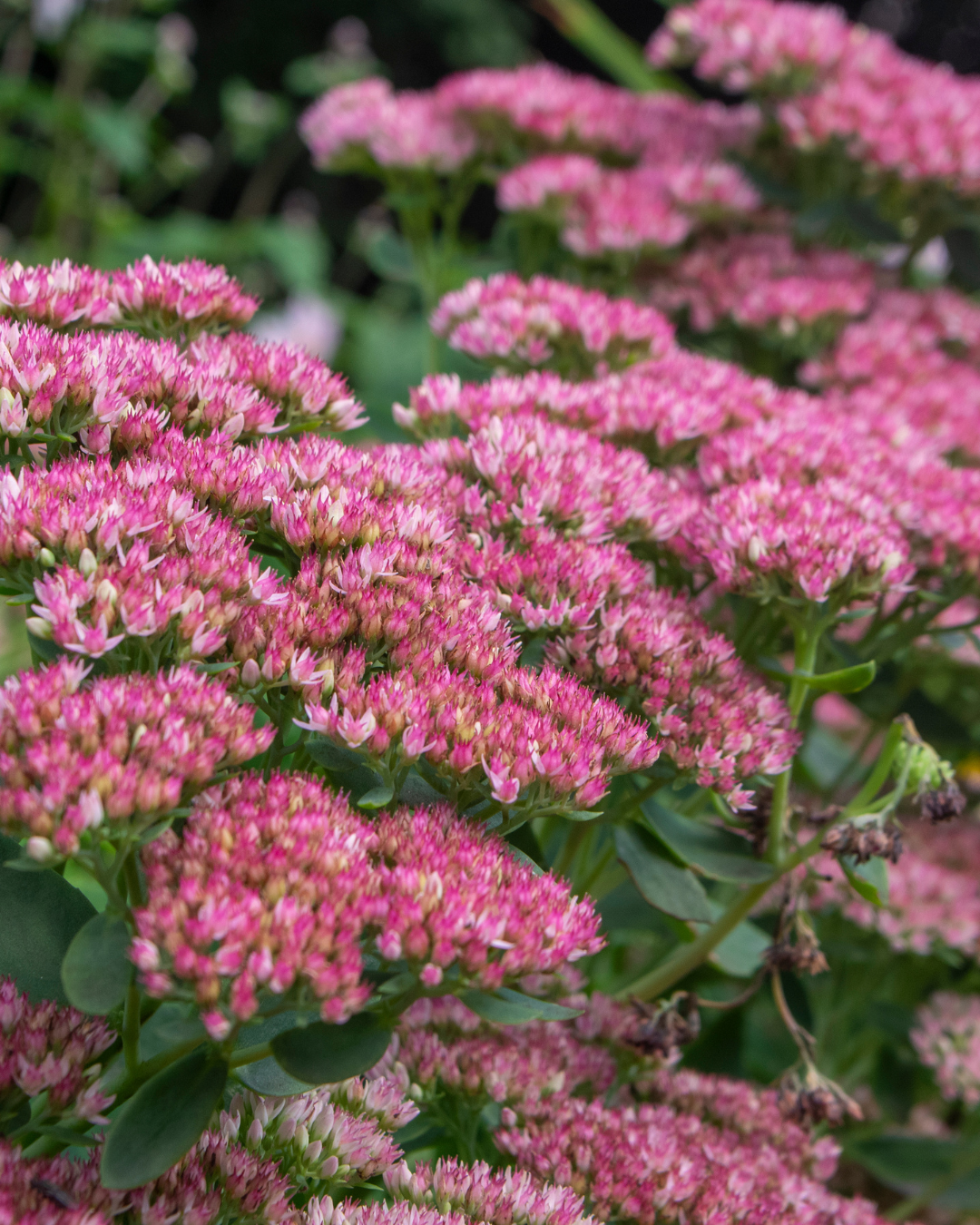
5. Autumn Stonecrop (Sedum 'Autumn Joy')
Best For: Late-season butterflies and hoverflies.
GTA Hardiness: Zone 3–9.
The Benefit: While not a native plant, this adapted perennial is a staple in GTA landscaping because it is virtually indestructible. Sedum offers flat clusters of tiny, star-shaped flowers that hold up beautifully against cold autumn nights. Because the blooms are shallow and open, they are incredibly easy for smaller, late-season pollinators to access without expending too much energy.